Study finds link between increased brain glucose levels and Alzheimer’s
A new study published yesterday in Alzheimer’s & Dementia: the Journal of the Alzheimer’s Association,
found a link for the first time between abnormalities in the mechanism
of glucose breakdown in the brain and the severity of tangles and
amyloid plaques in the brain, as well as the commencement of visible
symptoms of Alzheimer’s disease.
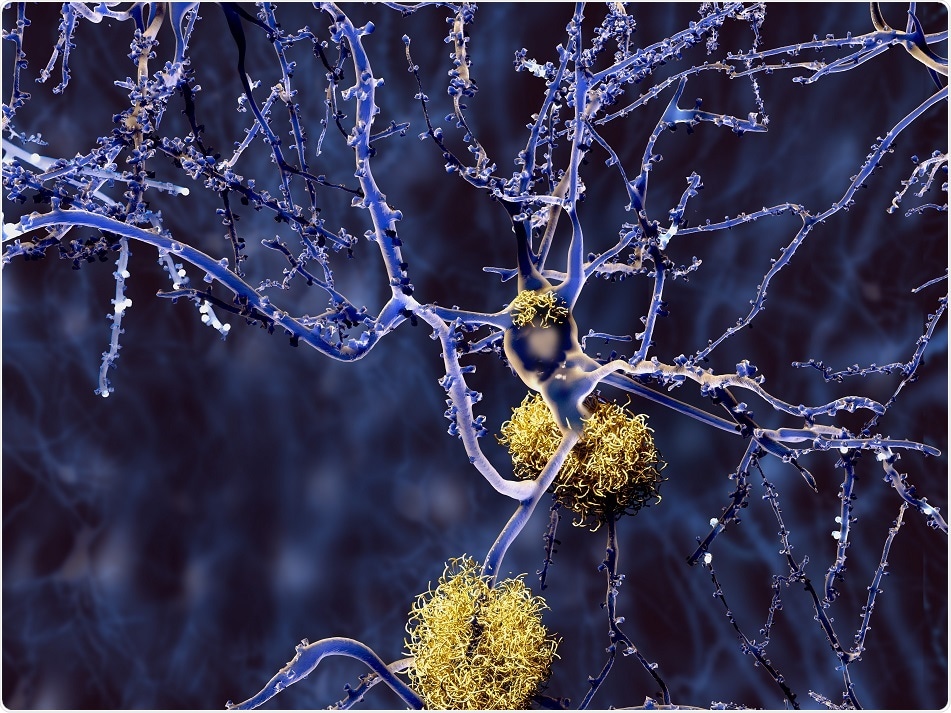
Credit: Juan Gaertner / Shutterstock.com
This National Institute on Aging-supported study analyzed the brain tissue samples at autopsy from participants involved in the Baltimore Longitudinal Study of Aging (BLSA). BLSA, which is one of the world’s longest-running scientific studies on human aging, records neurological, psychological as well as physical data of participants over many decades.
In the study, glucose levels in various areas of the brain, such as the temporal and frontal cortex that are prone to Alzheimer’s disease pathology as well as some resistant areas like the cerebellum, were evaluated.
The researchers investigated three different categories of BLSA participants during the study — (a) participants with Alzheimer’s symptoms throughout life and with confirmed pathology of Alzheimer’s disease, including neurofibrillary tangles and beta-amyloid protein plaques in the brain at the time of death; (b) those who lacked symptoms throughout life, yet had notable levels of Alzheimer’s pathology identified during the brain post-mortem; and (c) healthy controls.
The findings indicated discrete abnormalities in glycolysis, which is the major process involved in the breaking down of glucose in the brain, and provided evidence associating the severity of the abnormalities with the severity of the disease pathology.
Poorer glycolysis rates and increased levels of brain glucose were linked with more severe tangles and plaques in the brains of people affected with Alzheimer’s. Also, the more serious declines in brain glycolysis were associated with the manifestation of disease symptoms like memory issues during life.
Richard J. Hodes, M.D, the NIA Director, commented that this kind of research initiates novel ideas on how to investigate the connections between glycolysis, symptoms, and the disease pathology in escalating the search for better and more effective treatment and prevention methods for Alzheimer’s disease.
Even though the likenesses between Alzheimer’s and diabetes had been suspected for a long time, an evaluation of the link has remained difficult, as insulin is not required for the entry of glucose to the brain or to the neurons.
Glucose used by the brain was tracked by calculating ratios of the amino acids serine, alanine and glycine to glucose, which allowed the assessment of rates of the vital steps involved in glycolysis.
The researchers identified that in comparison with samples of normal brain tissue, the enzyme activities that controlled those vital glycolysis steps were lesser in Alzheimer’s cases.
continue to
Credit: Juan Gaertner / Shutterstock.com
This National Institute on Aging-supported study analyzed the brain tissue samples at autopsy from participants involved in the Baltimore Longitudinal Study of Aging (BLSA). BLSA, which is one of the world’s longest-running scientific studies on human aging, records neurological, psychological as well as physical data of participants over many decades.
In the study, glucose levels in various areas of the brain, such as the temporal and frontal cortex that are prone to Alzheimer’s disease pathology as well as some resistant areas like the cerebellum, were evaluated.
The researchers investigated three different categories of BLSA participants during the study — (a) participants with Alzheimer’s symptoms throughout life and with confirmed pathology of Alzheimer’s disease, including neurofibrillary tangles and beta-amyloid protein plaques in the brain at the time of death; (b) those who lacked symptoms throughout life, yet had notable levels of Alzheimer’s pathology identified during the brain post-mortem; and (c) healthy controls.
The findings indicated discrete abnormalities in glycolysis, which is the major process involved in the breaking down of glucose in the brain, and provided evidence associating the severity of the abnormalities with the severity of the disease pathology.
Poorer glycolysis rates and increased levels of brain glucose were linked with more severe tangles and plaques in the brains of people affected with Alzheimer’s. Also, the more serious declines in brain glycolysis were associated with the manifestation of disease symptoms like memory issues during life.
Richard J. Hodes, M.D, the NIA Director, commented that this kind of research initiates novel ideas on how to investigate the connections between glycolysis, symptoms, and the disease pathology in escalating the search for better and more effective treatment and prevention methods for Alzheimer’s disease.
Even though the likenesses between Alzheimer’s and diabetes had been suspected for a long time, an evaluation of the link has remained difficult, as insulin is not required for the entry of glucose to the brain or to the neurons.
Glucose used by the brain was tracked by calculating ratios of the amino acids serine, alanine and glycine to glucose, which allowed the assessment of rates of the vital steps involved in glycolysis.
The researchers identified that in comparison with samples of normal brain tissue, the enzyme activities that controlled those vital glycolysis steps were lesser in Alzheimer’s cases.
continue to
Labels: 11 compliance, 95% offer on a special deal 2017, A Tour of the FDA, Advertise With Us
posted by Unknown @ 02:32
0 Comments